Uncover the Crucial Services Delivered by a Professional Arborist for Optimal Tree Health
A professional arborist delivers a variety of services essential for keeping trees healthy and beautifying outdoor spaces. Their expertise in tree pruning encourages growth and minimizes threats. They also identify and treat tree diseases, making sure personalized treatments are in place - Florence Arborist. Additionally, arborists perform safe tree extractions and can assist with planting and transplanting. Their role becomes even more crucial during emergencies such as storm damage. Knowing these services can profoundly influence one’s approach to tree care
The Necessity of Tree Pruning
Although many homeowners may overlook the necessity of tree pruning, it serves a vital function in maintaining the health and aesthetics of trees. Effective pruning assists trees in building a sound framework, eliminating dead or infected limbs that could create hazards. By selectively trimming branches, the tree can direct its energy on healthy growth, fostering superior air movement and sunlight penetration. Additionally, pruning can improve the look of the tree, shaping it for aesthetic appeal in residential landscapes.
Moreover, regular pruning can avert future risks, such as falling branches during storms or high winds, which could harm property or injure individuals. It also aids in the prevention of pest outbreaks and diseases by enhancing the tree's hardiness. Ultimately, hiring professional arborists for tree pruning makes sure trees are kept healthy, safe, and visually pleasing, greatly contributing to the overall beauty and value of the property.
Diagnosing and Managing Tree Diseases
Tree health can be significantly impacted by various diseases that may not always be readily apparent. A professional arborist serves a vital function in diagnosing these conditions early, utilizing a combination of visual inspections and assessment instruments. Symptoms such as discolored leaves, wilting, or irregular growth shapes often indicate hidden health problems. Arborists examine these indicators to identify specific diseases, whether fungal, bacterial, or viral in nature.
Once diagnosed, the professional designs a specific treatment strategy. Such a strategy might incorporate specific applications, such as chemical controls, and cultivation methods that boost the tree's resistance. Furthermore, adequate irrigation, mulching, and feeding can significantly boost tree health and ability to fight off illness. Routine check-ups and follow-up treatments are essential for successful control, guaranteeing the lifespan and vigor of the trees. By taking a proactive approach to tree diseases, tree specialists ensure the ecological advantages and visual appeal that healthy trees offer.
Safe Tree Removal Practices
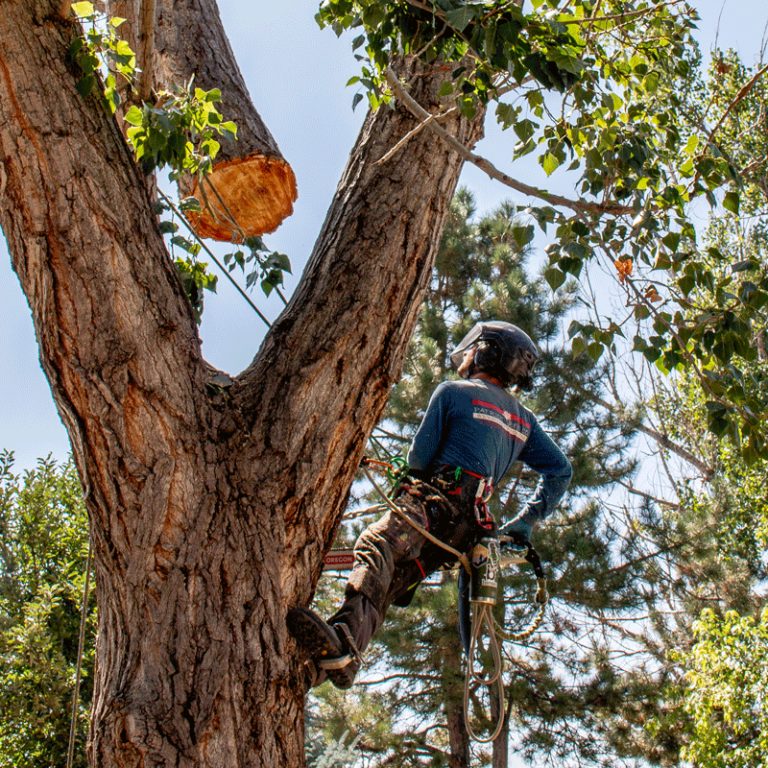
Proper tree felling methods are necessary to ensure safety and minimizing damage to nearby structures. Professional arborists employ a detailed analysis of the state of the tree, where it is situated, and the immediate vicinity prior to starting the extraction. Professionals employ dedicated machinery, such as rigging equipment and chainsaws, to make clean incisions and maintain control while cutting down the tree.
A carefully designed extraction plan involves spotting possible dangers, such as structures or overhead wires, which can affect the security of the job. Arborists often use a technique called "sectional dismantling," in which the tree is taken apart in smaller segments, minimizing the danger from falling material.
Furthermore, they follow local regulations and guidelines to ensure adherence and ecological responsibility. Following the extraction, proper cleanup and disposal of the remaining wood and brush, including stump grinding, help improve the overall security and aesthetics of the property.
Tree Planting and Relocation
Installing and relocating trees demands close attention of site selection and installation methods to ensure future vitality and development. Choosing the correct site significantly influences a tree's development, while proper planting methods minimize stress and aid in successful rooting. Tree specialists highlight these elements as vital for boosting the health and lifespan of trees in any landscape.
Choosing the Right Location

Finding the perfect spot for relocating or establishing trees is vital for their future development and vitality. Considerations including soil quality, the amount of sun, and drainage must be carefully evaluated. Certified arborists assess the site's characteristics, making sure that the chosen spot offers sufficient nourishment and proper foundation for the trees. Furthermore, the proximity to existing structures and surrounding flora is vital to avoid resource contention and prevent possible harm. Tree specialists also factor in the tree’s mature size and underground network, ensuring sufficient space for growth. By conducting a thorough site analysis, these experts help clients reach educated conclusions that foster robust, flourishing trees, ultimately enhancing the landscape’s beauty and environmental worth.
Ideal Planting Techniques
When the planting spot is meticulously reviewed and picked, the subsequent phase requires using optimal methods for planting trees. Proper preparation of the planting hole is vital; it should be double the diameter of the root system and not deeper than the root mass. The tree should be placed in the hole so that the upper surface of the roots aligns with the adjacent ground. Fill the hole with local earth, checking that all voids are filled, and water thoroughly to promote initial root establishment. Adding a layer of mulch near the trunk aids in water retention and suppress weeds. Florence Arborist. For transplanting existing trees, it is crucial to limit damage to the roots and transplant during dormancy for the highest rate of success. Following these techniques encourages strong vitality and longevity
Responding to Storm-Related Tree Hazards
After powerful weather events occur, the resultant conditions may leave trees in hazardous situations, endangering structures and security. Certified tree experts are crucial in immediate action, assessing trees harmed by the storm to check how safe and healthy they are. Their expertise allows them to identify which trees are recoverable and which are serious, instant risks that must be removed.
Equipped with specialized tools, they can carefully cut damaged boughs and remove wreckage, preventing subsequent injury to surrounding areas. They also provide valuable advice on precautionary steps, such as picking durable tree varieties for future planting.
Apart from the initial cleanup, arborists help homeowners understand the possible lasting consequences of the storm, providing advice for restoration and healing. Through quick and effective action, professional arborists not only protect property but also aid in the recovery of the local environment after severe storms.
Tree Nutrition and Ground Care
In the wake of storm damage, attention turns to the condition of surviving trees, underscoring the importance of nutrient assistance and ground care. A qualified tree expert evaluates ground quality and tree vitality to helpful resource determine specific nutritional needs. Trees must have vital elements, like nitrogen, phosphorus, and potassium, to heal and grow strong post-stress incidents.
Earth maintenance is vital to how nutrients are accessed and root development. Experts might advise ground improvements, like organic matter, to boost soil structure and microbe function. The correct pH balance are also assessed, as they impact nutrient uptake.
Applying mulch can improve moisture retention and keep weeds down, fostering a perfect setting for tree recovery. With a detailed feeding regimen and implementing effective soil management strategies, arborists make certain trees recover their vigor, resilience, and total well-being, a factor essential to keeping the environment stable after major environmental events.
FAQs
When Should My Trees Be Checked?
Trees should ideally be inspected once a year for maximum vitality. However, checking them more often may be necessary for younger trees, post-major weather incidents, or if any signs of distress or disease are observed.
What Qualifications Should I Look for in an Arborist?
When seeking an arborist, one should look for credentials such as ISA (the ISA) accreditation, applicable work history, insurance coverage, and a strong reputation locally, confirming knowledge in tree care and safety practices.
Are There Specific Tools Arborists Use for Tree Care?
Arborists employ a range of unique equipment for tree care, like chainsaws, pruning shears, climbing gear, and stump grinders. Every piece of equipment has a distinct function, allowing for proper upkeep, pruning, and tree extraction while promoting overall health and safety.
In What Ways Does the Weather Impact Tree Health?
The climate significantly affects tree health; too much water often causes root rot, while drought stresses trees. Extreme temperatures often result in harm to leaves and branches, in turn harming growth, resilience, and overall vigor of the trees.
Am I able to care for my trees personally, or Should I use a professional service?
While some basic tree care tasks can be performed by individuals, hiring a professional is often advisable - Florence Arborist. Experts possess specialized knowledge and tools, making certain the trees obtain the proper care necessary for peak growth and vitality